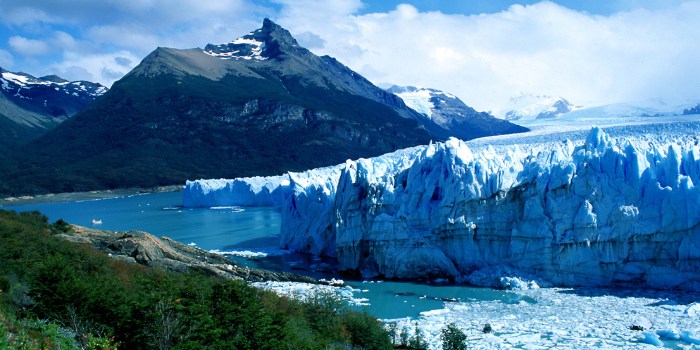
Photography Tips for Backpacking in Patagonia
Photography tips for backpacking in Patagonia – When embarking on a backpacking adventure in the stunning landscapes of Patagonia, having the right camera gear is essential to capture the beauty of this region. Here are some tips to help you make the most of your photography experience:
Essential Camera Gear
Before setting out, ensure you have the following camera gear to capture the diverse landscapes of Patagonia:
- A sturdy DSLR or mirrorless camera for high-quality images
- Wide-angle and telephoto lenses to capture wide vistas and close-up details
- A tripod for stability in low-light conditions or long exposure shots
- A polarizing filter to enhance colors and reduce glare in bright sunlight
- Extra batteries and memory cards for extended shooting sessions
Best Times of Day for Photography
The lighting in Patagonia can vary dramatically throughout the day, affecting the mood and quality of your photos. Here are the best times to photograph different natural features:
- Morning: Capture the soft, golden light of sunrise over mountains and lakes
- Midday: Ideal for capturing vibrant colors and details in landscapes
- Evening: Enjoy the warm, glowing light of sunset for dramatic shots
- Night: Venture into astrophotography to capture the starry skies of Patagonia
Tips for Shooting in Varying Weather Conditions
Patagonia is known for its unpredictable weather, so be prepared to adapt your photography techniques accordingly. Here are some tips for shooting in different weather conditions:
- Rainy Days: Use a waterproof camera cover or umbrella to protect your gear
- Cloudy Skies: Embrace the diffused light for moody and atmospheric shots
- Snowy Landscapes: Adjust your exposure settings to avoid overexposure from bright snow
- Windy Conditions: Keep your tripod stable and consider using a faster shutter speed
Travel Tips
When embarking on a solo backpacking adventure in Patagonia, it is crucial to prioritize safety. The remote and rugged terrain can present unique challenges, so being prepared and informed is key to an enjoyable experience.
Safety Tips for Solo Backpackers in Patagonia
- Always inform someone of your itinerary and expected return date before setting out on a trek.
- Carry essential survival gear such as a first aid kit, navigation tools, and extra food and water.
- Be aware of wildlife in the area and take precautions to avoid encounters.
- Stay on marked trails and be cautious when crossing rivers or navigating steep terrain.
- Check weather conditions regularly and be prepared for sudden changes.
Importance of Packing Light and Efficiently
Packing light is crucial when backpacking in remote areas like Patagonia. Carrying unnecessary weight can slow you down and increase the risk of fatigue or injury. Prioritize essential items and pack multi-purpose gear to save space and weight.
Tips for Navigating the Terrain and Weather
- Invest in quality, waterproof gear to stay dry and comfortable in Patagonia’s unpredictable weather.
- Study maps and familiarize yourself with the trail before starting your hike to avoid getting lost.
- Be prepared for strong winds and sudden temperature changes by dressing in layers.
- Carry a reliable GPS device or compass to aid navigation, especially in areas with limited signage.
- Stay hydrated and well-fueled to maintain energy levels while trekking through challenging terrain.
Travel Itinerary
Planning a 7-day backpacking trip through Patagonia requires careful consideration of must-visit locations, transportation options, and accommodations in the wilderness.
Sample 7-Day Itinerary
- Day 1: Arrive in El Calafate and explore Perito Moreno Glacier for stunning photography opportunities
- Day 2-3: Travel to El Chaltén for hiking in the Fitz Roy region, capturing the majestic peaks and landscapes
- Day 4-5: Journey to Torres del Paine National Park in Chile for iconic views of the Cuernos del Paine and Grey Glacier
- Day 6: Visit Tierra del Fuego National Park for diverse wildlife photography and picturesque landscapes
- Day 7: Return to El Calafate for departure, with a stop at Laguna Nimez for birdwatching and sunset shots
Best Modes of Transportation
- Consider renting a car for flexibility and independence in exploring remote areas
- Utilize local buses for cost-effective travel between major destinations
- Book guided tours for access to hard-to-reach areas and expert knowledge of the region
Booking Accommodations in the Wilderness
- Plan ahead and book campsites or refugios in advance, especially during peak season
- Pack a sturdy tent and camping gear for wilderness camping opportunities
- Look for eco-friendly lodges or remote cabins for a unique accommodation experience
Beach Resorts
When visiting Patagonia, don’t miss out on the stunning beach resorts that offer a unique experience in this region. These beach resorts are known for their picturesque views, tranquil atmosphere, and a range of activities to enjoy.
Unique Features
- Surrounded by rugged cliffs and pristine beaches, the beach resorts in Patagonia offer an exclusive getaway for travelers looking to unwind and connect with nature.
- The architecture of the beach resorts reflects the natural beauty of the surroundings, blending seamlessly with the landscape to provide a harmonious setting for relaxation.
- Some beach resorts in Patagonia are eco-friendly, promoting sustainable practices and offering guests a chance to experience responsible tourism in a beautiful setting.
Tips for Photography
- Take advantage of the soft, golden light during sunrise and sunset to capture stunning beach scenes with warm hues and long shadows that add depth to your photos.
- Experiment with different angles and perspectives to showcase the vastness of the beaches, the rugged coastline, and the crystal-clear waters of Patagonia.
- Include elements like driftwood, seashells, or seabirds in your composition to add interest and tell a story about the unique ecosystem of the region.
Activities and Amenities
- Engage in water sports like kayaking, paddleboarding, or snorkeling to explore the marine life and hidden coves along the coast of Patagonia.
- Indulge in spa treatments or yoga sessions offered at the beach resorts to relax and rejuvenate after a day of adventure and exploration.
- Enjoy local cuisine and fresh seafood at the beachfront restaurants, savoring the flavors of Patagonia while taking in the breathtaking views of the ocean.
Cultural Tours
When backpacking in Patagonia, exploring the indigenous cultures of the region through cultural tours can provide a deeper understanding of the local way of life and history. Engaging with these communities respectfully is essential to ensure a positive impact on both travelers and locals.
Cultural immersion not only enriches the travel experience but also fosters mutual respect and appreciation for diverse cultures.
Opportunities for Cultural Tours
- Visit traditional villages and learn about the customs and traditions of the indigenous communities in Patagonia.
- Participate in cultural workshops to experience firsthand the art, music, and cuisine of the local cultures.
- Attend cultural ceremonies and festivals to witness the unique rituals and celebrations of the indigenous groups.
Respectful Engagement with Local Communities
- Always seek permission before taking photographs of individuals or their belongings, respecting their privacy and cultural beliefs.
- Listen actively and attentively during interactions with community members, showing genuine interest in their stories and traditions.
- Avoid intrusive behavior or insensitive questions that may offend or disrespect the cultural practices of the local communities.
Significance of Cultural Immersion
- Enhances cultural awareness and sensitivity, promoting a more inclusive and respectful approach to different ways of life.
- Fosters cross-cultural understanding and empathy, breaking down stereotypes and promoting mutual respect between travelers and local communities.
- Provides a unique opportunity to learn from the wisdom and experiences of indigenous cultures, expanding perspectives and enriching personal growth.
Cruise Vacations
Exploring Patagonia through a cruise vacation offers a unique perspective on this stunning region, allowing travelers to witness breathtaking landscapes and wildlife from the comfort of a ship.
Popular Cruise Routes in Patagonia
Patagonia is known for its diverse and captivating cruise routes, with some of the most popular ones including:
- The Chilean Fjords: Sail through the intricate network of fjords and channels in southern Chile, surrounded by towering mountains and glaciers.
- Cape Horn and Tierra del Fuego: Experience the dramatic landscapes of the southernmost tip of South America, where the Atlantic and Pacific Oceans meet.
- Strait of Magellan: Navigate through this historic waterway, following the path of early explorers like Ferdinand Magellan.
Photography Opportunities on a Cruise
When capturing wildlife and landscapes from a cruise ship in Patagonia, consider the following tips:
- Use a telephoto lens to capture wildlife from a distance without disturbing them.
- Take advantage of early morning and late afternoon light for stunning landscape shots.
- Be prepared for sudden weather changes and have protective gear for your camera.
- Look for unique compositions and perspectives, such as reflections in the water or silhouettes against the sky.
Benefits of a Cruise Vacation in Patagonia
Experiencing Patagonia through a cruise vacation offers several advantages, such as:
- Access to remote and inaccessible areas that can only be reached by boat.
- Comfort and luxury onboard, with amenities like gourmet dining and entertainment options.
- Expert guides and naturalists on board to provide insights into the region’s wildlife and ecosystems.
- The opportunity to see diverse wildlife, including penguins, whales, and seabirds, in their natural habitats.
Backpacking Trips
When it comes to backpacking in Patagonia, there are various routes to choose from, each offering unique challenges and stunning photography opportunities. Whether you’re a beginner or a seasoned hiker, there’s something for everyone in this diverse region.
Different Backpacking Routes in Patagonia
Patagonia offers a range of backpacking routes, each varying in difficulty and scenery. Here are some popular routes to consider:
- The W Trek in Torres del Paine National Park: Known for its breathtaking landscapes, this route is moderately challenging and offers plenty of opportunities for capturing dramatic mountain views and pristine lakes.
- The Dientes Circuit on Navarino Island: A more remote and challenging trek, this route rewards hikers with rugged coastal views and unique flora and fauna perfect for wildlife photography.
- The Huemul Circuit near El Chaltén: A challenging and less crowded trek that takes you through glaciers and high mountain passes, providing incredible panoramic views ideal for landscape photography.
Packing Tips for Backpacking in Patagonia, Photography tips for backpacking in Patagonia
When preparing for a backpacking trip in Patagonia, it’s essential to pack wisely to ensure you have everything you need while traveling through diverse terrain. Here are some packing tips specific to backpacking in Patagonia:
- Layering is key: Patagonia’s weather can be unpredictable, so pack layers that you can easily add or remove depending on the conditions.
- Quality rain gear: Be prepared for sudden rain showers by packing a durable rain jacket and pants to keep you dry and comfortable.
- Sturdy hiking boots: Invest in a good pair of hiking boots with ankle support to navigate the rugged terrain safely.
- Camera gear protection: Ensure your camera gear is well-protected from the elements with a reliable camera bag or waterproof cover.
Preserving the Environment while Backpacking in Patagonia
While enjoying the beauty of Patagonia, it’s crucial to be mindful of your impact on the environment and take steps to preserve its natural beauty. Here are some ways to minimize your environmental footprint while backpacking in Patagonia:
- Follow Leave No Trace principles: Pack out all trash, minimize campfire impact, and respect wildlife and vegetation.
- Stick to designated trails: Avoid creating new trails or shortcuts to protect fragile ecosystems and prevent soil erosion.
- Conserve water: Carry a reusable water bottle and use water sources responsibly to minimize water pollution.
- Support local conservation efforts: Learn about local conservation initiatives and support organizations working to protect Patagonia’s unique ecosystems.
City Breaks: Photography Tips For Backpacking In Patagonia
Planning a city break in Patagonia? Here are some tips for exploring the urban areas and capturing the essence of these unique cities.
Urban Photography Opportunities
When visiting cities in Patagonia, be sure to capture the unique architecture and street scenes that make each place special. Look for colorful buildings, historic landmarks, and bustling markets to add depth to your travel photography collection.
- Focus on capturing the contrast between modern and traditional architecture in cities like Ushuaia and Punta Arenas.
- Look for unique angles and perspectives to showcase the beauty of the urban landscape in cities like Puerto Natales and Bariloche.
- Don’t forget to photograph the vibrant street art and local culture that can be found in cities throughout Patagonia.
Cultural Activities and Culinary Experiences
In addition to photography opportunities, city breaks in Patagonia offer a chance to immerse yourself in the local culture and cuisine.
- Attend a traditional music or dance performance in cities like El Calafate or Puerto Madryn to experience the rich cultural heritage of the region.
- Explore local markets and try traditional Patagonian dishes like lamb stew, empanadas, and mate tea for a taste of authentic regional cuisine.
- Visit museums and art galleries in cities like Neuquén and Comodoro Rivadavia to learn more about the history and culture of Patagonia.
Travel Blogs
Travel blogs play a crucial role in providing valuable insights and inspiration for travelers planning a trip to Patagonia. They offer firsthand accounts, tips, and recommendations that can help adventurers make the most of their experience in this stunning region.
Popular Travel Blogs Specializing in Patagonia
- Adventure In You: Known for its in-depth guides and stunning photography, this blog covers everything from hiking trails to hidden gems in Patagonia.
- The World Pursuit: With a focus on adventure travel, this blog offers detailed itineraries and practical tips for exploring Patagonia on a budget.
- Nomad Revelations: Featuring off-the-beaten-path destinations, this blog provides unique insights into the culture and landscapes of Patagonia.
Role of Travel Blogs in Trip Planning
- Inspiration: Travel blogs showcase the beauty of Patagonia through captivating stories and visuals, inspiring travelers to embark on their own adventures.
- Information: Travel blogs offer practical advice on transportation, accommodation, activities, and more, helping travelers plan their itinerary with ease.
- Personalization: By sharing personal experiences and recommendations, travel blogs allow readers to tailor their trip to match their interests and preferences.
Tips for Creating a Successful Travel Blog about Patagonia
- Authenticity: Share genuine experiences and insights to connect with your audience and build credibility.
- Visual Appeal: Utilize high-quality photos and videos to showcase the beauty of Patagonia and engage your readers.
- Engagement: Encourage interaction through comments, social media, and newsletters to build a community of like-minded travelers.
- Consistency: Regularly update your blog with fresh content to keep your audience engaged and coming back for more.
Travel Essentials
When backpacking in Patagonia, having the right essentials is crucial to ensure a safe and successful adventure. This is especially important when it comes to photography needs, as capturing the stunning landscapes of Patagonia requires specific gear and equipment.
Checklist of Essential Items
- Quality camera: Invest in a durable camera with good resolution to capture the beauty of Patagonia.
- Lenses: Bring a variety of lenses to capture different perspectives, from wide-angle to telephoto.
- Tripod: A sturdy tripod is essential for long exposure shots and stability in windy conditions.
- Spare batteries and memory cards: Make sure to pack extras to avoid running out of power or storage space.
- Lens cleaning kit: Dust and dirt can easily accumulate in the wilderness, so keep your lenses clean for sharp photos.
Importance of Quality Gear
Quality gear and equipment are crucial for outdoor adventures in Patagonia due to the unpredictable weather conditions and rugged terrain. Investing in reliable gear will ensure that your equipment can withstand the elements and perform well in challenging environments.
Tips for Staying Prepared and Safe
- Plan ahead: Research the weather conditions and pack accordingly to stay prepared for any changes.
- Stay hydrated and nourished: Carry enough water and snacks to keep your energy levels up during long treks.
- Emergency kit: Pack essentials like a first aid kit, flashlight, and emergency blanket in case of unexpected situations.
- Inform others: Let someone know your itinerary and expected return time when heading out into the wilderness.
Travel Photography
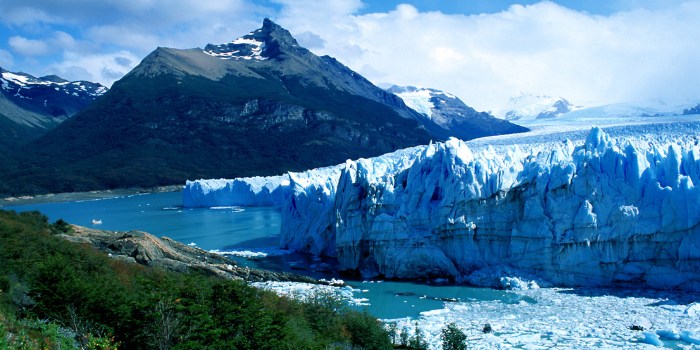
Travel photography in Patagonia offers a plethora of opportunities to capture stunning landscapes, vibrant colors, and unique textures. By following some tips and techniques, you can enhance your photography skills and create visually compelling images to cherish for a lifetime.
Tip 1: Capturing Vibrant Colors and Textures
- Utilize the golden hours of sunrise and sunset to capture the warm, soft light that enhances the colors of the landscape.
- Experiment with different angles and perspectives to highlight the textures of the mountains, glaciers, and lakes in Patagonia.
- Look for contrast in colors and textures to create dynamic and eye-catching compositions in your photographs.
Tip 2: Composition Techniques
- Use the rule of thirds to create a balanced composition and guide the viewer’s eye through the image.
- Incorporate leading lines, such as rivers or trails, to draw attention to the focal point of your photograph.
- Include foreground elements to add depth and dimension to your images and create a sense of scale in the vast Patagonian landscapes.
Tip 3: Editing Tips for Landscape Photographs
- Adjust the exposure, contrast, and saturation levels to enhance the colors and details in your landscape photographs.
- Crop your images to improve the composition and remove any distractions that take away from the main subject.
- Experiment with different editing tools and filters to bring out the unique beauty of Patagonia’s natural landscapes in your photographs.
FAQ Overview
What camera gear is essential for photographing in Patagonia?
Invest in a sturdy DSLR camera with a wide-angle lens to capture the vast landscapes effectively.
When is the best time of day to take photos in Patagonia?
The golden hours of sunrise and sunset offer the best lighting for capturing the beauty of Patagonia.
How can I protect my camera equipment in varying weather conditions in Patagonia?
Use weather-sealed camera bags and lens covers to shield your gear from rain and wind while shooting.