Travel Tips
Planning a photography tour of Angkor Wat requires careful consideration to ensure you make the most of your experience. Here are some essential tips to keep in mind:
Best Time to Visit Angkor Wat for Photography
When it comes to capturing the beauty of Angkor Wat through your lens, timing is key. The best time to visit Angkor Wat for photography is during the dry season, which typically falls between November and March. During this period, you can expect clear skies and optimal lighting conditions for stunning photographs.
Research Local Customs and Traditions
Before embarking on your photography tour of Angkor Wat, take the time to research and understand the local customs and traditions. This will not only help you show respect for the culture but also provide you with valuable insights that can enhance your overall experience.
Remember to dress modestly and be mindful of your actions to ensure a harmonious visit.
Travel Itinerary
For a photography tour of Angkor Wat, it is essential to plan your itinerary carefully to make the most of your visit. Below is a sample itinerary to guide you through the must-visit spots and photography sessions at this iconic temple complex.
Must-Visit Spots
When visiting Angkor Wat for photography, be sure to explore the following key areas for capturing stunning photographs:
- The iconic main temple: Capture the intricate details of the central temple, including the famous towers and bas-reliefs.
- Reflecting pools: Take advantage of the reflective surfaces around the temple complex for unique shots.
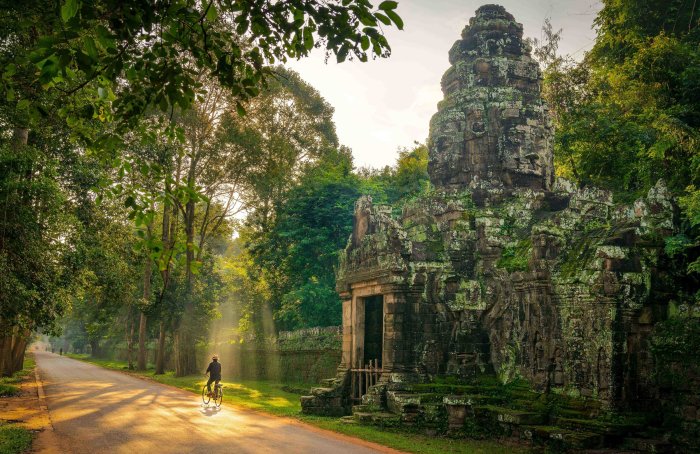
- Overgrown ruins: Explore the less-visited areas with overgrown vegetation for a different perspective on the temple complex.
- Angkor Thom: Visit the nearby ancient city to capture the impressive South Gate and Bayon Temple.
Sunrise and Sunset Photography Sessions
For the best sunrise and sunset photography sessions at Angkor Wat, consider the following recommendations:
- Sunrise at the main temple: Arrive early to capture the breathtaking sunrise behind the iconic towers of Angkor Wat.
- Sunset at Phnom Bakheng: Climb the hill for panoramic views of the temple complex and the surrounding jungle at sunset.
- Sunset at Pre Rup: Enjoy the sunset from this temple, offering a different perspective on Angkor Wat.
Beach Resorts
When visiting Angkor Wat, travelers may also want to relax and unwind at nearby beach resorts. These resorts offer a variety of accommodation options and amenities for visitors looking to combine their love for photography with a beach getaway.
Photography-Friendly Beach Resorts
For photography enthusiasts, choosing a beach resort that caters to their needs is essential. Some beach resorts in the vicinity of Angkor Wat offer photography-friendly amenities and services, such as sunrise/sunset photography tours, photography workshops, and picturesque spots for capturing stunning shots.
- Resort A:Located just a short drive away from Angkor Wat, Resort A provides photography enthusiasts with guided photography tours to capture the best moments at the temple complex. The resort also offers photography workshops and access to secluded beaches for unique photo opportunities.
- Resort B:Situated right on the beach, Resort B offers photography-friendly services like sunrise yoga sessions for capturing beautiful morning shots, as well as photography equipment rental for guests who want to experiment with different gear. The resort’s beachfront location provides ample photography opportunities.
- Resort C:With a focus on eco-friendly practices, Resort C offers photography enthusiasts the chance to capture the natural beauty of the surrounding landscape. The resort organizes photography walks through the nearby forests and mangroves, allowing guests to snap unique photos of the local flora and fauna.
Cultural Tours
Photography tours of Angkor Wat offer a unique opportunity to explore the cultural significance of this ancient site and its surroundings through the lens of a camera. These tours provide a deeper understanding of the history and heritage of Cambodia, allowing participants to capture the essence of Cambodian culture in a visually compelling way.
Guided Cultural Tours
Guided cultural tours focused on photography offer a curated experience that combines the art of capturing images with learning about local heritage. Professional guides lead participants to key cultural sites, providing insights into the historical and cultural significance of each location.
These tours often include visits to traditional villages, markets, and temples, offering a holistic view of Cambodian culture.
- Expert guidance on photography techniques: Professional photographers or guides with a deep knowledge of the local culture provide tips and tricks on how to capture the best images during the tour.
- Immersion in local traditions: Participants have the opportunity to interact with locals, witness traditional ceremonies, and experience daily life in Cambodia, allowing for a more authentic cultural experience.
- Access to hidden gems: Guided tours often include off-the-beaten-path locations that are less crowded, providing unique opportunities for photography enthusiasts to capture stunning images.
- Cultural insights: Guides share stories and anecdotes about the history and customs of Cambodia, enriching the photography tour with a deeper understanding of the local culture.
Photography and Cambodian Culture
Photography serves as a powerful tool to capture the essence of Cambodian culture during the tour. By documenting daily life, rituals, traditions, and architectural marvels, photographers can preserve these cultural elements for future generations. Through photography, participants can not only create stunning visual memories but also contribute to the preservation and appreciation of Cambodian heritage.
Cruise Vacations
Considering incorporating a cruise vacation into your photography tour of Angkor Wat can offer a unique perspective and picturesque opportunities along the way. Cruising along the Mekong River can provide stunning views and a relaxing way to travel to your destination.
Unique Photography Opportunities
When looking for cruise packages that offer unique photography opportunities along the Mekong River, consider options that provide access to local villages, floating markets, and stunning landscapes. Look for cruises that allow for stops at key photography spots along the river.
Capturing Picturesque Scenes
- Make sure to have your camera ready at all times to capture spontaneous moments and landscapes along the river.
- Utilize the early morning or late afternoon light for the best lighting conditions for your photos.
- Experiment with different angles and perspectives to capture the essence of the river and its surroundings.
- Consider using a telephoto lens to capture distant scenes or details along the riverbanks.
- Don’t forget to take wide-angle shots to showcase the vastness and beauty of the Mekong River.
Backpacking Trips
When planning a photography-focused trip to Angkor Wat, backpacking can be a great option for adventurous travelers looking for flexibility and authentic experiences. Backpacking allows you to immerse yourself in the local culture, interact with locals, and capture unique moments that may not be accessible on organized tours.
Advantages of Backpacking for Photography Exploration
- Flexibility: Backpacking gives you the freedom to explore Angkor Wat at your own pace, allowing you to spend more time in areas that interest you the most and capture the perfect shot.
- Authenticity: Backpacking allows you to connect with the local community, providing opportunities to photograph everyday life, traditions, and cultural events.
- Cost-effective: Backpacking is generally more budget-friendly than traditional tours, allowing you to allocate more resources to photography equipment or extend your trip.
Packing Essentials for a Backpacking Photography Tour of Angkor Wat
- Camera gear: Bring a versatile camera with different lenses to capture a variety of shots, a sturdy tripod for stable long exposures, and extra memory cards and batteries.
- Comfortable footwear: As you’ll be walking and exploring extensively, comfortable and durable shoes are essential to keep you going throughout the day.
- Sun protection: Don’t forget to pack sunscreen, a hat, and sunglasses to protect yourself from the sun while photographing the temples and landscapes.
- Lightweight clothing: Opt for breathable and quick-drying clothing to stay comfortable in the tropical climate of Angkor Wat, and consider packing a rain jacket for unexpected showers.
- Water and snacks: Stay hydrated and energized during your photography sessions by carrying a reusable water bottle and some snacks to keep you going.
City Breaks: Photography Tour Of Angkor Wat
When exploring Angkor Wat, don’t miss the opportunity to visit the nearby cities that offer unique photography experiences. These urban areas are filled with cultural richness and bustling scenes waiting to be captured through your lens.
Siem Reap
Siem Reap, the gateway to Angkor Wat, is a vibrant city with a mix of traditional Khmer culture and modern influences. Explore the bustling markets, colorful streets, and intricate temples for a diverse photography experience.
Phnom Penh
Phnom Penh, the capital of Cambodia, is a city steeped in history and culture. Visit the Royal Palace, the National Museum, and the bustling riverfront for a mix of urban and traditional photography opportunities.
Battambang
Battambang is a charming city known for its colonial architecture and countryside landscapes. Explore the rural markets, ancient temples, and picturesque countryside for a different perspective on Cambodian life.
Travel Blogs
Travel blogs play a crucial role in inspiring and guiding travelers, especially those interested in photography tours of Angkor Wat. These blogs offer a glimpse into the experiences of fellow travelers, providing valuable insights and tips for capturing the beauty of this ancient temple complex.
Popular Travel Blogs Featuring Angkor Wat Photography Tours
- Expert Vagabond: Matthew Karsten, the travel photographer behind Expert Vagabond, has documented his photography journey at Angkor Wat in stunning detail. His blog offers practical advice on capturing the best shots and experiencing the magic of this UNESCO World Heritage site.
- Be My Travel Muse: Kristin Addis, a solo female traveler and photographer, shares her adventures at Angkor Wat through captivating visuals and engaging storytelling. Her blog is a great resource for female photographers looking to explore this iconic destination.
- Nomadic Matt: Matt Kepnes, known as Nomadic Matt, has also featured Angkor Wat in his travel blogs. His practical tips on photography gear, composition techniques, and time of day for shooting at Angkor Wat are invaluable for aspiring photographers.
Personal Experiences from Travel Bloggers, Photography tour of Angkor Wat
- One travel blogger described the sunrise at Angkor Wat as a surreal experience, with the ancient temple complex bathed in golden light. The play of shadows and reflections created a magical atmosphere that was perfect for photography.
- Another blogger shared their encounter with local monks at Angkor Wat, capturing candid moments of daily life amidst the grandeur of the temple ruins. The juxtaposition of tradition and modernity made for compelling photographic subjects.
- A travel blogger highlighted the importance of respecting the sacred nature of Angkor Wat while photographing, emphasizing the need to be mindful of cultural sensitivities and environmental conservation.
Role of Travel Blogs in Inspiring Photographers
Travel blogs serve as a source of inspiration and practical guidance for aspiring photographers visiting Angkor Wat. By sharing personal experiences, photography tips, and insider knowledge, travel bloggers help photographers navigate the challenges of capturing the essence of this ancient site.
Through stunning visuals and engaging narratives, these blogs fuel the passion for photography and encourage travelers to explore Angkor Wat with a fresh perspective.
Travel Essentials
When embarking on a photography tour of Angkor Wat, it is crucial to have the right gear and equipment to capture the stunning architectural marvels of this ancient site. Here are some essential items to consider for a successful photography trip:
Essential Photography Gear
- Camera: A DSLR or mirrorless camera with manual settings is ideal for capturing the intricate details of Angkor Wat.
- Lenses: Wide-angle lenses are great for capturing the vast structures and intricate carvings, while telephoto lenses can help you capture distant details.
- Tripod: A sturdy tripod is essential for stability, especially in low light conditions or for long exposure shots.
- Filters: Consider using polarizing filters to reduce glare and enhance colors, or ND filters for long exposure shots during the day.
Camera Settings and Techniques
- Aperture Priority Mode: Use this setting to control depth of field and ensure sharp focus on the intricate details of the temples.
- Manual Focus: Manually focusing on specific details can help you capture the fine craftsmanship of the architecture.
- Bracketing: Consider using exposure bracketing to capture a range of exposures and ensure you get the perfect shot in varying lighting conditions.
Backup and Storage
- Backup Batteries: Always carry extra camera batteries to avoid running out of power during a full day of shooting.
- Memory Cards: Have multiple memory cards on hand to ensure you have enough storage space for all your photos.
- Lens Cleaning Kit: Dust and debris can easily accumulate in the temple complex, so be prepared to clean your lenses regularly.
Travel Photography
Travel photography plays a crucial role in capturing the essence and beauty of Angkor Wat, showcasing its temples, landscapes, and intricate details. It allows travelers to preserve memories and share the awe-inspiring sights with others.
Photography Techniques for Angkor Wat
- Utilize natural light: Early morning and late afternoon light can create a soft, warm glow on the temples, enhancing their beauty.
- Experiment with angles: Capture unique perspectives by exploring different angles and viewpoints to add depth and interest to your photos.
- Framing and composition: Use elements within the surroundings to frame your subject and create visually appealing compositions.
- Focus on details: Don’t just capture the grand structures, but also focus on the intricate carvings, textures, and patterns that make Angkor Wat unique.
- Use a tripod: To ensure sharp, clear images, especially in low light conditions, using a tripod can help stabilize your camera.
Role of Lighting, Composition, and Perspective
- Lighting: The quality of light can make or break a photograph. Experiment with different lighting conditions to create mood and drama in your images.
- Composition: Pay attention to the rule of thirds, leading lines, and symmetry to create well-balanced and visually appealing compositions.
- Perspective: Changing your perspective by getting low to the ground or finding a higher vantage point can add interest and depth to your photos.
- Golden hour: Make the most of the golden hour, the time shortly after sunrise or before sunset, when the light is soft and golden, ideal for capturing stunning images.
Q&A
What are the best camera settings for photographing Angkor Wat?
It’s recommended to use a wide-angle lens to capture the grandeur of the temples and adjust your settings for optimal exposure in varying light conditions.
Is it necessary to book a guided tour for a photography trip to Angkor Wat?
While not mandatory, a guided tour can provide valuable insights into the history and significance of the sites, enhancing your photography experience.
Are there restrictions on photography at Angkor Wat?
Respectful photography is generally allowed, but some areas may have specific rules to preserve the monuments and respect local customs.