Cultural Sensitivity Tips for International Travel
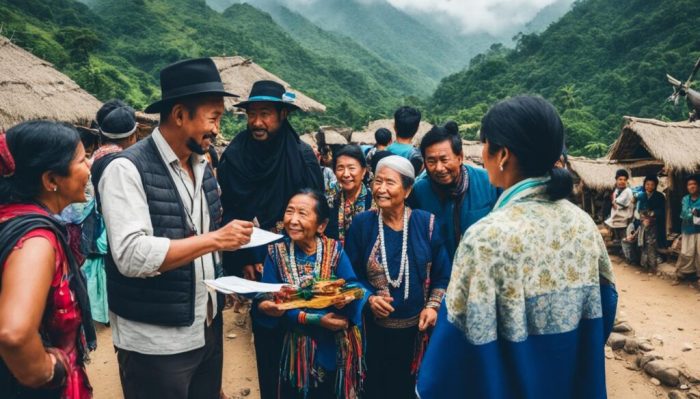
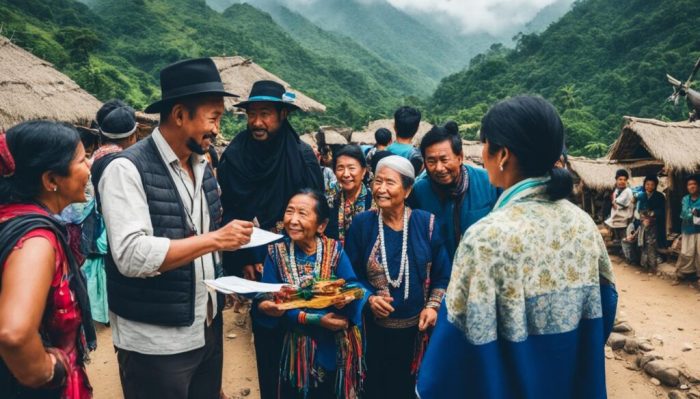
Cultural sensitivity tips for international travel – When traveling abroad, it is crucial to be culturally sensitive to ensure respectful interactions with locals and to avoid unintentionally causing offense. By being aware of and adapting to different cultural norms and customs, travelers can enhance their overall experience and build positive relationships with people from diverse backgrounds.
Potential Cultural Differences
- In some Asian cultures, such as Japan and South Korea, bowing is a common form of greeting, while in Western countries, a handshake is more customary.
- In Middle Eastern countries, it is important to dress modestly and respect local customs regarding public behavior, especially in religious sites.
- In some Latin American countries, punctuality may not be as strictly observed as in Western cultures, so being flexible with time is essential.
Examples of Cultural Insensitivity
- Using inappropriate hand gestures or making jokes that are considered offensive in a particular culture can lead to misunderstandings and strained relationships.
- Disregarding local traditions or religious practices can be seen as disrespectful and may result in conflicts with the local community.
Adapting to Different Cultural Norms
- Researching the cultural practices of the destination before travel can help travelers understand and respect local customs.
- Observing how locals interact and adjusting behavior accordingly, such as using formal language or removing shoes before entering a home, can show cultural sensitivity.
- Being open-minded and willing to learn from the local community can lead to meaningful cultural exchanges and enriching travel experiences.
Travel Tips
When embarking on international travel, it is essential to be well-prepared to ensure a smooth and enjoyable experience. Here are some key tips to keep in mind:
Packing Light and Researching Local Customs
Before your trip, research the local customs and cultural norms of the destination you will be visiting. This will help you avoid unintentionally offending locals and immerse yourself more fully in the local culture. Additionally, packing light can make traveling easier and more convenient, allowing you to move around with greater ease.
Significance of Travel Insurance and Emergency Preparedness
Investing in travel insurance is crucial to protect yourself in case of unexpected events such as flight cancellations, medical emergencies, or lost luggage. It is also important to have a plan in place for emergencies, including knowing how to contact local emergency services and having important documents easily accessible.
Recommendations for Navigating Language Barriers
Language barriers can often pose a challenge when traveling to foreign countries. Consider learning some basic phrases in the local language, carrying a translation app on your phone, or using gestures to communicate. It can also be helpful to have a small phrasebook handy for reference.
Insights on Staying Safe and Secure
While traveling internationally, it is important to prioritize your safety and security. Be aware of your surroundings, avoid displaying valuable items openly, and keep your belongings secure. Researching the safety of your destination and staying informed about local laws and customs can also help ensure a safe and enjoyable trip.
Travel Itinerary
Creating a well-structured travel itinerary is crucial for a smooth and enjoyable trip. It helps you make the most of your time, ensure you don’t miss any must-see attractions, and allows for flexibility in exploring off-the-beaten-path experiences.
Importance of a Flexible Itinerary
- Flexibility allows you to adapt to unexpected changes in weather, transportation, or personal preferences.
- It gives you the freedom to discover hidden gems and interact with locals spontaneously.
- Helps to reduce stress and allows for a more relaxed travel experience.
Balance Must-See Attractions with Off-the-Beaten-Path Experiences
- Prioritize must-see attractions but leave room for unique experiences off the tourist trail.
- Research lesser-known sites or activities to add depth to your itinerary.
- Interact with locals and seek recommendations for hidden gems.
Booking Tours in Advance vs. Spontaneous Exploration
- Booking tours in advance guarantees your spot and saves time queuing at popular attractions.
- Spontaneous exploration allows for unexpected discoveries and flexibility in your schedule.
- Consider a mix of pre-booked tours and free time for spontaneous adventures.
Optimizing Travel Time at Each Destination
- Create a daily schedule with a balance of activities and relaxation time.
- Use maps and public transportation apps to plan efficient routes between attractions.
- Avoid overpacking your schedule to allow for rest and leisurely exploration.
Beach Resorts
Beach resorts are popular travel destinations for those seeking a relaxing getaway by the sea. The appeal lies in the combination of sun, sand, and sea, offering visitors a chance to unwind and enjoy a variety of water activities.
Factors to Consider When Choosing a Beach Resort
- Location: Consider the proximity to the beach, as well as other attractions or amenities in the area.
- Amenities: Look for resorts that offer activities you enjoy, such as water sports, spa services, or fine dining options.
- Accommodation: Check the room options available, from beachfront villas to cozy bungalows, to find the best fit for your vacation needs.
- Reviews: Research online reviews and ratings from previous guests to get an idea of the resort’s quality and service.
Tips for Maximizing Relaxation and Enjoyment at a Beach Resort
- Unplug and unwind: Take a break from technology and fully immerse yourself in the natural beauty of the surroundings.
- Try new activities: Take advantage of the resort’s offerings, such as snorkeling, paddleboarding, or yoga classes.
- Indulge in local cuisine: Explore the flavors of the destination by trying fresh seafood or tropical fruit dishes.
- Stay hydrated and protected: Remember to drink plenty of water, use sunscreen, and seek shade to avoid sunburn.
Insights on Sustainable Practices and Responsible Tourism at Beach Resorts
Responsible tourism at beach resorts involves minimizing environmental impact and supporting local communities. Some practices include:
- Reducing plastic waste by using refillable water bottles and reusable bags.
- Saving energy by turning off lights and air conditioning when not in use.
- Supporting local businesses by shopping for souvenirs or dining at nearby restaurants.
- Participating in beach clean-up activities to help preserve the natural beauty of the area.
Cultural Tours
Exploring a destination’s cultural heritage through guided tours can greatly enrich your travel experience, providing insights into local traditions, history, and way of life.
Value of Cultural Tours
Participating in cultural tours allows travelers to immerse themselves in the authentic local culture, gaining a deeper understanding of the destination. These tours often provide access to historical sites, museums, traditional performances, and interactions with local communities.
Recommendations for Selecting Cultural Tours
- Research tour operators with a focus on cultural immersion and sustainable tourism practices.
- Choose tours that align with your specific interests, whether it’s art, cuisine, history, or nature.
- Read reviews and seek recommendations from fellow travelers to ensure the quality of the experience.
Guided vs. Self-Guided Exploration
While self-guided exploration allows for flexibility and independence, guided cultural tours offer in-depth knowledge and local insights from experienced guides. They ensure a structured itinerary and access to exclusive experiences that may not be available to solo travelers.
Memorable Cultural Tour Experiences
- Visiting ancient temples in Kyoto, Japan, with a knowledgeable guide who shared fascinating stories and rituals.
- Exploring the vibrant markets of Marrakech, Morocco, with a local expert who introduced us to traditional crafts and culinary delights.
- Attending a traditional Maori cultural performance in New Zealand, where we learned about their customs and history firsthand.
Cruise Vacations
Embarking on a cruise vacation offers a unique and luxurious way to explore different destinations while enjoying the comfort and amenities of a floating resort. Cruise vacations appeal to a wide range of travelers, from families looking for a hassle-free holiday to couples seeking a romantic getaway or solo travelers craving adventure.
Tips for Choosing the Right Cruise Itinerary
When selecting a cruise itinerary, consider your preferences and budget. Research the destinations included in the itinerary, the duration of the cruise, and the activities offered onboard. Choose a cruise line that aligns with your interests, whether it’s exploring cultural landmarks, relaxing on pristine beaches, or indulging in gourmet dining.
Insights on Onboard Activities, Dining Options, and Entertainment
- Take advantage of the numerous onboard activities, such as swimming pools, fitness centers, spa treatments, and live performances.
- Explore the diverse dining options available on cruise ships, ranging from casual buffets to upscale restaurants serving gourmet cuisine.
- Enjoy a variety of entertainment options, including Broadway-style shows, comedy acts, musical performances, and themed parties.
Environmental Considerations and Sustainability Practices
The cruise industry is increasingly focusing on environmental sustainability to minimize its impact on the oceans and destinations visited. Many cruise lines have implemented initiatives to reduce waste, conserve energy, and protect marine life. Passengers can support these efforts by participating in eco-friendly shore excursions, reducing waste onboard, and respecting the natural environment during their cruise vacation.
Backpacking Trips
Embarking on a backpacking trip can be an exhilarating experience for adventurous travelers looking to explore the world in a unique way. Backpacking offers the opportunity to immerse oneself in different cultures, connect with locals, and discover off-the-beaten-path destinations.
Benefits of Backpacking Trips
- Allows for flexibility in travel plans and the freedom to change itinerary on a whim.
- Promotes a deeper connection with nature and the environment.
- Encourages independence and self-reliance.
- Offers a budget-friendly way to travel for extended periods.
Packing Tips and Essential Gear
- Pack light and only bring essentials to avoid carrying heavy loads.
- Invest in a quality backpack that fits comfortably and has proper support.
- Bring versatile clothing items that can be layered for different weather conditions.
- Include a first aid kit, water bottle, portable charger, and a multi-tool in your gear.
Safety Measures and Precautions
- Research the safety conditions of the destination and be aware of potential risks.
- Share your itinerary with someone you trust and check in periodically.
- Be cautious of your surroundings and avoid walking alone in unfamiliar areas at night.
- Keep important documents and valuables secure in a hidden money belt or pouch.
Budgeting, Accommodation Options, and Transportation
- Set a daily budget for expenses including food, accommodation, and transportation.
- Consider staying in hostels, guesthouses, or camping grounds for budget-friendly accommodation.
- Utilize public transportation or hitchhiking to get around and save on transportation costs.
- Be open to trying local street food and markets for affordable meal options.
City Breaks
City breaks are short trips usually taken over a weekend or a few days to explore a specific city. They are popular among urban explorers who want to experience the culture, history, and cuisine of a vibrant city in a condensed amount of time.
Planning a City Break Itinerary
When planning a city break itinerary, it is essential to include cultural landmarks and local cuisine to truly immerse yourself in the city’s atmosphere. Research ahead of time to identify must-see attractions, museums, and restaurants to visit during your stay.
- Make a list of cultural landmarks and historical sites you want to visit.
- Research local cuisine and make reservations at popular restaurants to taste authentic dishes.
- Plan your days strategically to maximize your time and cover all the key attractions.
Transportation, Accommodation, and Budget
When it comes to transportation options, consider using public transportation, such as buses or trains, to get around the city efficiently. For accommodation choices, look for centrally located hotels or Airbnb options to stay close to the main attractions.
- Check for city passes or tourist cards that offer discounts on transportation and entry fees to attractions.
- Set a budget for your city break, including expenses for accommodation, meals, transportation, and souvenirs.
- Consider the cost of activities and attractions to ensure you stay within your budget.
Making the Most of a Short Visit
To make the most of a short visit to a vibrant city, prioritize your must-see attractions and experiences. Take advantage of guided tours or hop-on-hop-off buses to cover more ground in a short amount of time.
- Plan your itinerary in advance to make the most of your time in the city.
- Immerse yourself in the local culture by participating in cultural activities or attending events.
- Leave room for spontaneous exploration and discoveries to truly experience the city’s charm.
Travel Blogs
Travel blogs play a significant role in inspiring and informing travelers worldwide. With a plethora of travel blogs available online, travelers can access valuable insights, tips, and recommendations to enhance their travel experiences.
Starting a Travel Blog
Starting a travel blog requires passion for travel, good writing skills, and a knack for storytelling. To build an engaged audience, focus on creating high-quality content, sharing personal experiences, and showcasing stunning photography. Consistency in posting and engaging with your audience through social media are key to growing your blog.
Role of Storytelling, Photography, and Personal Experiences
Storytelling, photography, and personal experiences are essential elements of a successful travel blog. By sharing compelling stories, captivating images, and authentic experiences, you can connect with your audience on a deeper level and inspire them to explore new destinations. These elements help create a unique and engaging blog that resonates with readers.
Ethical Considerations and Transparency
Maintaining ethical standards and transparency is crucial in travel blogging. Disclose any sponsorships, partnerships, or affiliate links in your content to maintain trust with your audience. Respect local cultures and communities, seek permission before taking photos, and avoid exploiting destinations for personal gain.
Upholding integrity and transparency will help you build a loyal and ethical following in the travel blogging community.
Travel Essentials
When gearing up for your next adventure, it’s crucial to pack the right essentials to ensure a smooth and stress-free trip. From important documents to handy accessories, here are the must-have items for every traveler.
Essential Documents and Medications
- Passport, visas, and travel insurance documents
- Prescription medications and over-the-counter remedies
- Emergency contact information and copies of important documents
Staying Organized on the Go
- Use packing cubes or organizers to keep belongings tidy
- Create a digital backup of important documents and itineraries
- Keep a travel journal or notebook for jotting down memories and details
Handy Travel Accessories
- Portable charger for keeping devices powered up
- Universal travel adapter for different plug types
- Travel pillow for comfortable rest during long journeys
Choosing the Right Luggage and Gear
- Consider a durable suitcase or backpack that fits airline guidelines
- Opt for lightweight and versatile clothing and shoes
- Pack a compact umbrella or rain jacket for unexpected weather changes
Travel Photography
Travel photography is a fantastic way to capture and preserve the memories of your adventures. By taking stunning photos, you can tell a story and share your travel experiences with others.
Tips for Capturing Stunning Travel Photos
- Pay attention to lighting: Natural light can make a huge difference in the quality of your photos. Try to shoot during the golden hours of sunrise and sunset for soft, warm light.
- Focus on composition: Use the rule of thirds to create visually appealing shots. Experiment with different angles and perspectives to add interest to your photos.
- Capture the local culture: Include elements of the destination’s culture in your photos to add depth and authenticity to your travel stories.
Role of Lighting, Composition, and Perspective
- Lighting: Good lighting can transform an ordinary photo into an extraordinary one. Experiment with different lighting conditions to create different moods and atmospheres in your photos.
- Composition: Composition is key to creating visually appealing photos. Use leading lines, framing, and symmetry to create balance and harmony in your shots.
- Perspective: Changing your perspective can completely change the look and feel of your photos. Try shooting from different angles and heights to add depth and interest to your images.
Editing and Sharing Travel Photos
- Editing: Use editing tools to enhance your photos and make them pop. Adjust brightness, contrast, and colors to create a polished look.
- Sharing: Share your travel photos on social media platforms to inspire others and showcase your adventures. Use relevant hashtags and geotags to reach a wider audience.
Preserving Travel Memories Through Photography, Cultural sensitivity tips for international travel
- Print your photos: Create photo albums or prints to preserve your travel memories in a tangible form.
- Create a travel photo book: Compile your best travel photos into a photo book to create a beautiful keepsake of your adventures.
- Back up your photos: Ensure your travel photos are safely stored by backing them up on cloud storage or external hard drives.
Query Resolution: Cultural Sensitivity Tips For International Travel
How can cultural sensitivity enhance my travel experience?
Being culturally sensitive allows you to connect with locals, avoid misunderstandings, and show respect for different traditions, leading to more enriching and meaningful travel experiences.
What should I do if I accidentally offend someone from a different culture?
If you unintentionally offend someone, apologize sincerely, seek to understand why your actions were offensive, and learn from the experience to avoid similar situations in the future.
How can I research cultural norms before traveling to a new country?
You can read travel guides, watch documentaries, follow local bloggers, or attend cultural events in your area to gain insights into the customs, traditions, and etiquette of the country you plan to visit.